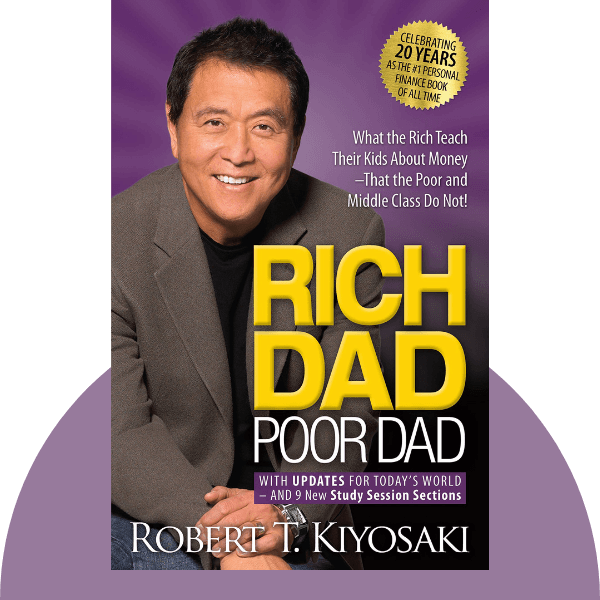
Rich Dad, Poor Dad
"Rich Dad, Poor Dad" is a personal finance book written by Robert Kiyosaki. The book tells the story of Kiyosaki's two dads, his biological father (the "poor dad") and his best friend's father (the "rich dad"). Through their contrasting views on money and investing, Kiyosaki learns valuable lessons about personal finance and the mindset required for financial success. Part One: Rich Dad, Poor Dad The first section of the book introduces the two dads and their different perspectives on money. Kiyosaki's biological father is a highly educated man who works hard for his money, but struggles to make ends meet. In contrast, Kiyosaki's best friend's father, the "rich dad," is a successful entrepreneur and investor who has achieved financial freedom. Through his interactions with the two dads, Kiyosaki learns that the key to financial success is not simply working hard and saving money, but rather developing a mindset that focuses on generating passive income through investments and business ventures. He learns that the rich dad's approach to money is based on the principles of financial education, taking calculated risks, and developing a mindset of abundance. Part Two: The Rich Don't Work for Money The second section of the book focuses on the importance of financial education and the role it plays in creating wealth. Kiyosaki argues that the traditional education system does not teach students about money and investing, and that this lack of education can lead to a lifetime of financial struggle. Kiyosaki also emphasizes the importance of taking calculated risks and learning from failures. He argues that the fear of failure often holds people back from achieving financial success, and that it is important to embrace failure as a learning opportunity. Part Three: The Business of the 21st Century The third section of the book focuses on the changing economy and the opportunities available in the 21st century. Kiyosaki argues that the traditional path of working for a company and saving for retirement is becoming increasingly difficult, and that people need to think differently about how they earn money. Kiyosaki suggests that the key to success in the 21st century is to become an entrepreneur or investor, and to take advantage of the opportunities presented by the internet and global economy. He encourages readers to develop their own businesses and investments, and to focus on creating passive income streams that can generate wealth over time. Part Four: Lessons from Rich Dad The fourth and final section of the book presents some of the key lessons that Kiyosaki learned from his rich dad. These lessons include: 1. The rich don't work for money, they make money work for them. 2. Financial education is the key to creating wealth. 3. Taking calculated risks is necessary for financial success. 4. The importance of developing a mindset of abundance and thinking big. 5. The need to focus on generating passive income through investments and businesses. Kiyosaki also emphasizes the importance of taking action and implementing these lessons in our own lives. He argues that financial success is not a matter of luck or talent, but rather a result of the mindset and habits we develop over time. Conclusion: "Rich Dad, Poor Dad" is a powerful and thought-provoking book that challenges traditional views on money and investing. Through his personal experiences and the teachings of his rich dad, Kiyosaki offers valuable insights into the mindset and habits required for financial success. The book's emphasis on financial education and the need to develop a mindset of abundance is particularly valuable, as it highlights the importance of taking control of our financial futures and thinking differently about how we earn money. While some of the advice presented in the book may not be suitable for everyone, such as taking on debt to invest, Kiyosaki's core message of creating passive income streams through investments and entrepreneurship is applicable to anyone looking to improve their financial situation. One of the key takeaways from the book is the importance of financial education. Kiyosaki argues that traditional education systems do not teach people about money, and that this lack of education can lead to a lifetime of financial struggle. He suggests that people need to take responsibility for their own financial education, and seek out resources that can teach them about investing, business, and personal finance. Another important theme in the book is the importance of taking calculated risks. Kiyosaki argues that the fear of failure often holds people back from achieving financial success, and that it is important to embrace failure as a learning opportunity. He suggests that people should be willing to take calculated risks, and learn from their failures in order to grow and succeed. The book also emphasizes the importance of developing a mindset of abundance and thinking big. Kiyosaki argues that many people are held back by their own limiting beliefs about money and success, and that it is important to think beyond these limitations in order to achieve financial freedom. He encourages readers to develop a mindset of abundance, and to focus on creating value and opportunities for themselves and others. In addition to these core themes, "Rich Dad, Poor Dad" offers practical advice on investing, business, and personal finance. Kiyosaki suggests that people should focus on creating passive income streams through investments in real estate, stocks, and other assets. He also encourages readers to start their own businesses, and provides guidance on how to do so successfully. While the book has been criticized for promoting some controversial ideas, such as taking on debt to invest, its core message of developing a mindset of abundance and creating passive income streams through investments and entrepreneurship is valuable for anyone looking to improve their financial situation. Overall, "Rich Dad, Poor Dad" is a must-read for anyone interested in personal finance and investing. Through its engaging storytelling and practical advice, the book offers valuable insights into the mindset and habits required for financial success.