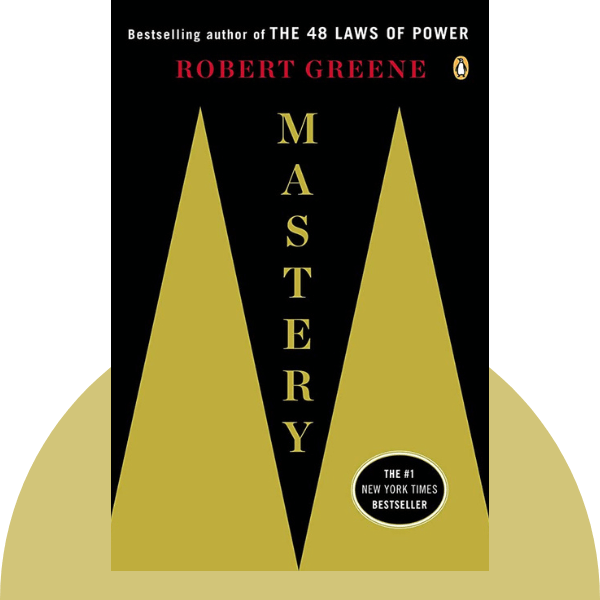
Mastery
Introduction: "Mastery" is a self-help book written by Robert Greene, the renowned author of books such as "The 48 Laws of Power" and "The Art of Seduction." The book is divided into three sections, each of which focuses on a different stage of mastering a craft or profession. The first section covers the basics of mastery, including what it is and why it is important. The second section focuses on the apprenticeship phase, during which the aspiring master learns the skills and knowledge necessary for success. The third section covers the mastery phase, during which the individual achieves true mastery and becomes a master of their craft. Part One: Discovering Your Calling The first section of "Mastery" sets the stage for the rest of the book by discussing what mastery is and why it is important. Greene argues that mastery is the key to success and fulfillment in life, and that it is something that anyone can achieve if they are willing to put in the time and effort required. Greene identifies three key elements of mastery: the desire to learn, the ability to learn, and the discipline to practice. He argues that in order to become a master, an individual must first discover their true calling or passion in life. Once they have identified their calling, they must then commit themselves fully to mastering it. Greene also emphasizes the importance of taking an unconventional approach to mastery. He argues that the traditional educational system is not designed to produce masters, and that in order to achieve mastery, an individual must be willing to take risks, challenge convention, and think creatively. Part Two: Apprenticeship The second section of "Mastery" focuses on the apprenticeship phase, during which the aspiring master learns the skills and knowledge necessary for success. Greene argues that in order to become a master, an individual must first find a mentor who can guide them and teach them the skills they need to know. Greene also emphasizes the importance of practical learning, arguing that the best way to learn a craft is to do it, rather than simply reading about it or studying it in a classroom. He encourages aspiring masters to seek out opportunities to practice their craft in real-world settings, and to be willing to make mistakes and learn from them. The apprenticeship phase is also a time for the aspiring master to develop their own style and approach to their craft. Greene argues that while it is important to learn from others, it is equally important to develop one's own unique style and perspective. He encourages aspiring masters to experiment with different techniques and approaches, and to be willing to take risks and make mistakes in the pursuit of mastery. Part Three: Mastery The third and final section of "Mastery" covers the mastery phase, during which the individual achieves true mastery and becomes a master of their craft. Greene argues that mastery is not a destination, but rather a lifelong journey. He emphasizes the importance of continuing to learn and grow even after achieving mastery, and of using one's mastery to inspire and teach others. Greene also discusses the importance of creativity in the mastery phase, arguing that true mastery requires not only technical skill, but also the ability to think creatively and innovate. He encourages masters to continue to challenge themselves and push the boundaries of their craft, and to use their mastery to make a positive impact on the world. Throughout the book, Greene uses examples from the lives of historical and contemporary masters to illustrate his points. He discusses the lives of individuals such as Leonardo da Vinci, Charles Darwin, and Michael Faraday, as well as contemporary masters such as Paul Graham and Freddie Roach. Conclusion: "Mastery" is a powerful and inspiring book that offers practical advice and guidance for anyone seeking to achieve mastery in their chosen field. Greene's emphasis on the importance of finding one's true calling, taking an unconventional approach, finding a mentor, and focusing on practical learning are all valuable insights that can help readers on their own journey towards mastery. Greene's discussion of the apprenticeship phase is particularly valuable, as it emphasizes the importance of hands-on experience and experimentation in learning a craft. By encouraging aspiring masters to be willing to make mistakes and learn from them, Greene empowers readers to take risks and explore their creativity in pursuit of mastery. The third section of the book, which covers the mastery phase, is equally valuable. Greene's emphasis on the importance of continuing to learn and grow even after achieving mastery is a powerful reminder that true mastery is a lifelong journey. By encouraging masters to use their skills and knowledge to make a positive impact on the world, Greene inspires readers to pursue mastery not just for personal gain, but also for the greater good. Overall, "Mastery" is a valuable resource for anyone seeking to achieve mastery in their chosen field. By offering practical advice, inspiring examples, and valuable insights, Greene provides readers with the tools and motivation they need to embark on their own journey towards mastery.